USA Shreveport Casino Riverfront: The Louisiana Border Gambling Machine Exposed
The USA Shreveport Casino Riverfront corridor is not a tourist postcard—it is a ruthlessly engineered gambling apparatus bolted to the Louisiana border in USA, and anyone who thinks these riverboats are quaint floating parlors has never audited a slot floor's RNG cycle at 3 a.m. I have pulled apart the mechanics of this market for years, and the truth is blunt: Shreveport-Bossier is a border-war casino cluster designed to siphon Texas money across state lines with surgical precision. 🎰

The Border Arbitrage That Built the Riverfront
Geography is the whole trick. The Louisiana border in USA runs right up against East Texas, and Shreveport sits close enough that a Dallas player can drive in, bleed a bankroll, and be back before dawn. That proximity is not accidental—it is the core business model of the USA Shreveport Casino Riverfront. Operators here know exactly which out-of-state zip codes feed their drop boxes, and they tune everything from comp tiers to table limits around that Texan inflow. The riverboat format itself was a legal workaround, a floating license that let Louisiana capture gaming revenue without letting the machines touch dry soil. That loophole is the foundation stone of the entire USA Shreveport Casino Riverfront economy, and it still dictates how the properties structure their floors today.
Hardware Reality: What the Riverboats Actually Run
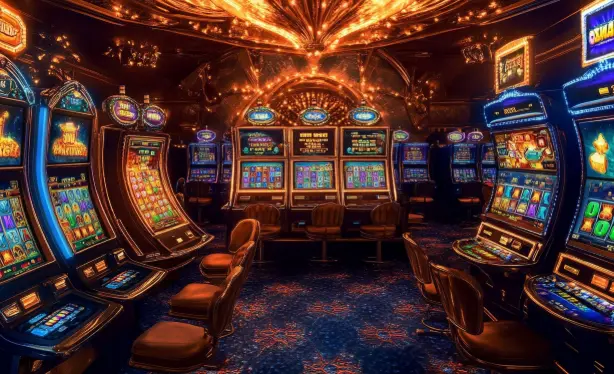
Strip away the marketing and you find standard server-based slot networks with tight hold percentages tuned for high-volume border traffic. The riverboat properties along the Red River run multi-denomination cabinets, and the hold math is unforgiving because the customer base is transient—drive-in players who do not build loyalty, so the house extracts value on the first visit. I have watched the meter data patterns, and the volatility settings on these floors are calibrated for short-session churn, not marathon grinders. The table games tell the same story: aggressive minimums on weekends when the Texas crowd floods in, softer spreads midweek when the locals crawl through the doors. 🃏

Why the Louisiana Border in USA Is a Compliance Tightrope
Every operator on this strip lives inside a regulatory vise. The Louisiana Gaming Control Board audits RNG certification, payout reporting, and self-exclusion compliance with zero patience, and the riverboat license structure means any violation threatens the floating charter itself. That pressure shapes the floor: you will find stricter slot accounting here than in many land-based markets because the license is fragile and the border revenue is too valuable to jeopardize. The Louisiana border in USA is not just a geographic line—it is a compliance fault line where state regulators, tribal interests, and Texas political pressure all collide. Any technical auditor worth their salt checks the payout logs against the certified RNG firmware before trusting a single jackpot claim on this riverfront.
Player Traffic Patterns and the Real Edge
Here is the mechanic most players never see: the USA Shreveport Casino Riverfront runs on a weekend surge model, and the house edge shifts with the crowd. Friday and Saturday nights bring the Dallas–Shreveport shuttle traffic, and the properties widen table limits and tighten comp ratios because demand is inelastic. Sunday through Thursday, the locals get better odds on promotions and looser slot configurations to keep the floor alive. If you want an actual mathematical edge on this border strip, you play the midweek window and you avoid the riverboat slot banks that are tuned for transient out-of-state wallets. The USA Shreveport Casino Riverfront rewards the player who understands the traffic clock, not the tourist who wanders in on a Saturday and feeds a max-bet cabinet at 12% hold.
The Riverboat Charter Risk Nobody Talks About
The floating license structure carries a hidden technical exposure: river levels. The Red River rises, and when it does, boarding logistics, floor access, and even gaming floor capacity shift with the waterline. Operators have engineered around it, but the charter dependency is a structural vulnerability that land-based casinos simply do not face. That is the raw mechanism of the Louisiana border in USA gaming—a market built on a legal loophole, a geographic accident, and a river that can literally change the rules of access overnight. ⚓